About This Program
Women in Uganda's most vulnerable communities often carry the heaviest burdens — surviving domestic violence, raising children alone, and navigating poverty with little access to support systems. Hopeline Action Uganda's Women Empowerment Program was designed to meet women exactly where they are and walk alongside them toward lasting independence and dignity.
Our program weaves together psychosocial healing and practical economic empowerment, because true recovery cannot happen without both. Women who join enter a safe, structured journey that addresses their emotional wounds while simultaneously building the skills and resources they need to support their families.
Who We Serve
This program is built for women who have experienced domestic violence or gender-based violence, widows who are the sole providers for their children, women living in extreme poverty with no stable income, mothers of children in our feeding and mental health programs who need their own dedicated support, and female refugees and internally displaced women who lack access to livelihood opportunities. No referral is required to join and all services are free of charge.
Program Objectives
- Provide trauma-informed psychosocial counseling to women survivors of domestic violence
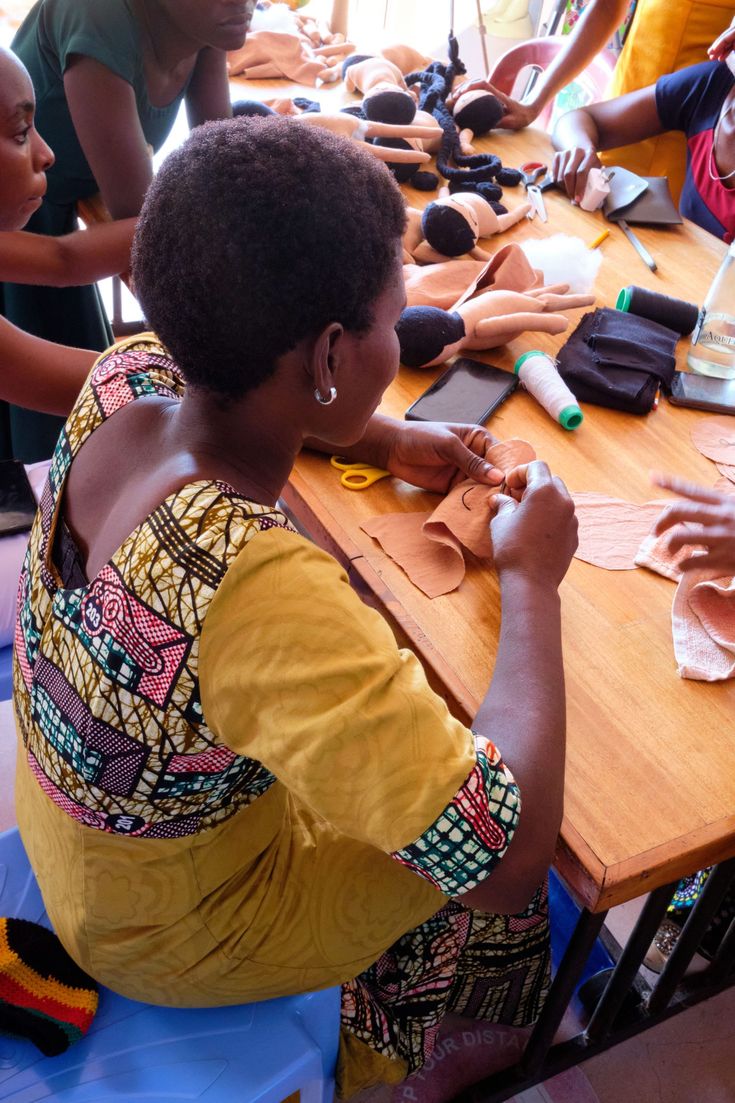
- Train women in marketable vocational skills including tailoring, catering, and soap-making
- Establish village savings and loan associations in target communities
- Equip graduates with starter business kits and six months of post-training mentorship
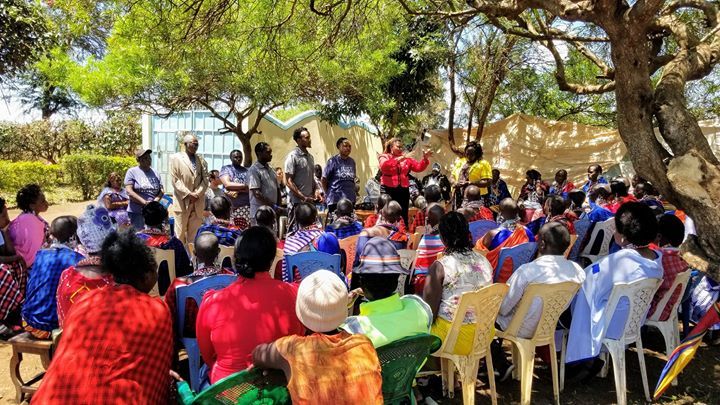
- Create safe spaces where women can share, heal, and support one another
- Facilitate access to legal aid and referral services for gender-based violence survivors
- Train community leaders to recognize and respond appropriately to domestic violence
- Celebrate women's achievements publicly to inspire and motivate the wider community
Our Approach
Our approach is trauma-informed and community-rooted. Women begin with individual and group counseling sessions facilitated by trained psychosocial support workers. These provide a safe space to process trauma, build self-confidence, and develop coping strategies before moving into skills training.
Training runs in cohorts of 15–20 women, creating a natural peer support network. Each woman chooses a trade aligned with her interests and local market demand. Training is hands-on and practical, with participants producing saleable goods from week one. Upon graduation, each woman receives a starter kit — a sewing machine, catering equipment, or soap-making supplies — to begin her business immediately.
Village Savings and Loan Associations allow women to pool small weekly savings and access interest-free micro-loans to grow their businesses, followed by six months of mentorship.
I came to Hopeline broken. My husband had left me with four children and nothing in my hands. Today I run my own tailoring shop. I am not just surviving — I am thriving and I am proud.
In Action
Get Get Involved
Program Details
-
FrequencyEvery weekday
-
LocationKampala & surrounding areas
-
BeneficiariesStreet children, orphans & low-income families
-
PartnersLocal churches & community schools
-
Food SourceLocally sourced, fresh produce
-
Contact+256 700 000 001