About This Program
Uganda is acutely vulnerable to climate change. Unpredictable rainfall, prolonged droughts, flash flooding, and accelerating deforestation are disrupting food production, displacing families, and deepening poverty. For the communities Hopeline Action Uganda serves — refugees, orphans, widows, and low-income families — these environmental shocks are not statistics. They are lived daily crises that compound existing trauma and hardship.
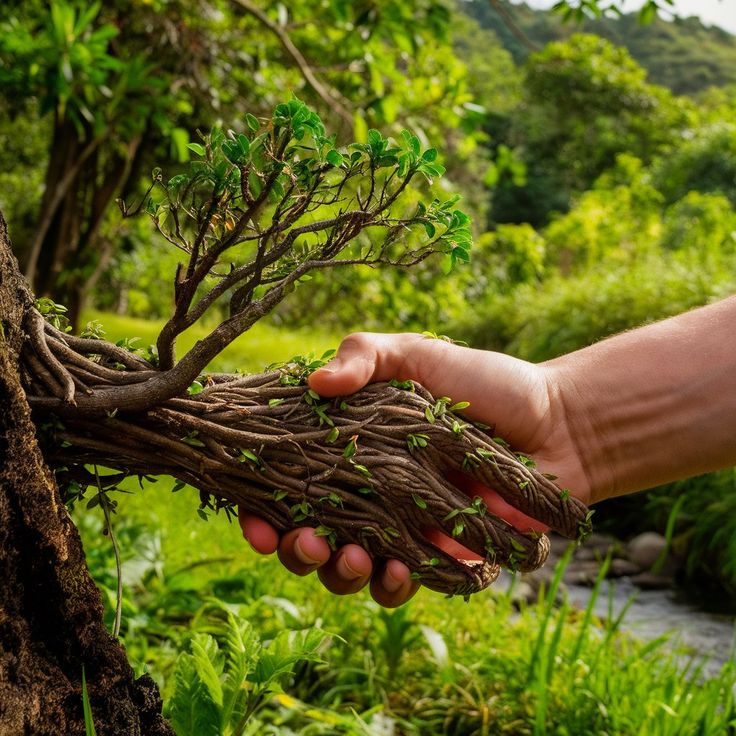
Our Climate Change and Environmental Action Program equips communities with the knowledge, tools, and collective energy needed to adapt to a changing climate and reduce environmental impact. We run tree-planting drives, kitchen garden projects, clean energy campaigns, and environmental education sessions, all through a community wellbeing lens that connects environmental health to mental and psychosocial health.
Who We Serve
Our environmental program engages the full breadth of communities we work with. We specifically target smallholder farming families whose livelihoods are directly threatened by climate shocks, school-age children and youth who will inherit today's environmental decisions, community leaders and local officials who can champion sustainable action, refugee and displaced communities whose environments have already been severely degraded, and women who in Uganda's rural and peri-urban areas are the primary managers of land, water, and household fuel — and are therefore disproportionately impacted by climate change.
Program Objectives
- Plant 10,000 trees across participating communities by end of the year
- Train community members in climate-smart agriculture and rainwater harvesting
- Establish environmental clubs in partner schools to build a generation of eco-stewards
- Introduce clean cooking energy alternatives to reduce reliance on charcoal and firewood
- Develop community-level climate adaptation plans with local leaders
- Integrate climate resilience awareness into all psychosocial support sessions
- Partner with local government on reforestation, waste management, and land-use policies
- Document and share community-led environmental success stories widely
Our Approach
We approach environmental action as a community mental health intervention as much as an ecological one. Climate anxiety, loss of livelihoods from environmental shocks, and displacement due to floods or drought are significant drivers of poor psychosocial outcomes — particularly for children and women.
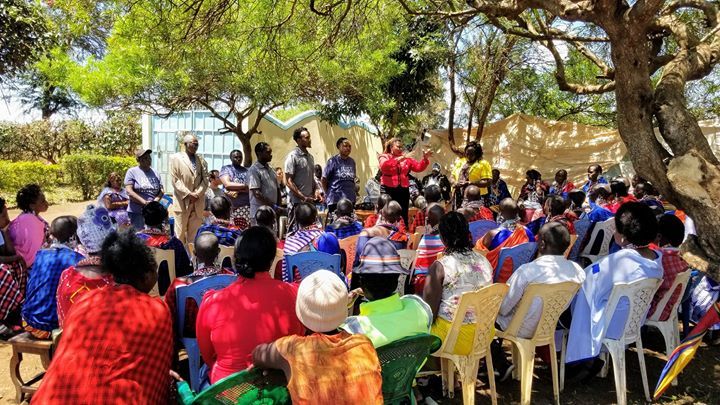
Our engagement process begins with participatory environmental assessments where community members identify the environmental challenges affecting their wellbeing most severely. From this, we co-design local action plans that are practical, achievable, and owned by the community.
Tree planting drives are held quarterly, combining ecological impact with community bonding. Kitchen garden training is integrated into our feeding program. School eco-clubs meet weekly, led by student champions who facilitate peer-to-peer environmental education and maintain school tree nurseries and composting areas as living classrooms.
We planted trees together as a community and something shifted. For the first time, our children are learning why the land matters — and they are proud to protect it. That pride is more powerful than any rule or regulation.
In Action

Get Get Involved
Program Details
-
Duration6-month training cycle
-
LocationMultiple community centers, Kampala
-
BeneficiariesGBV survivors, widows & women in poverty
-
TradesTailoring, catering & soap-making
-
Savings GroupsActive VSLAs per cohort
-
Legal AidAvailable on referral